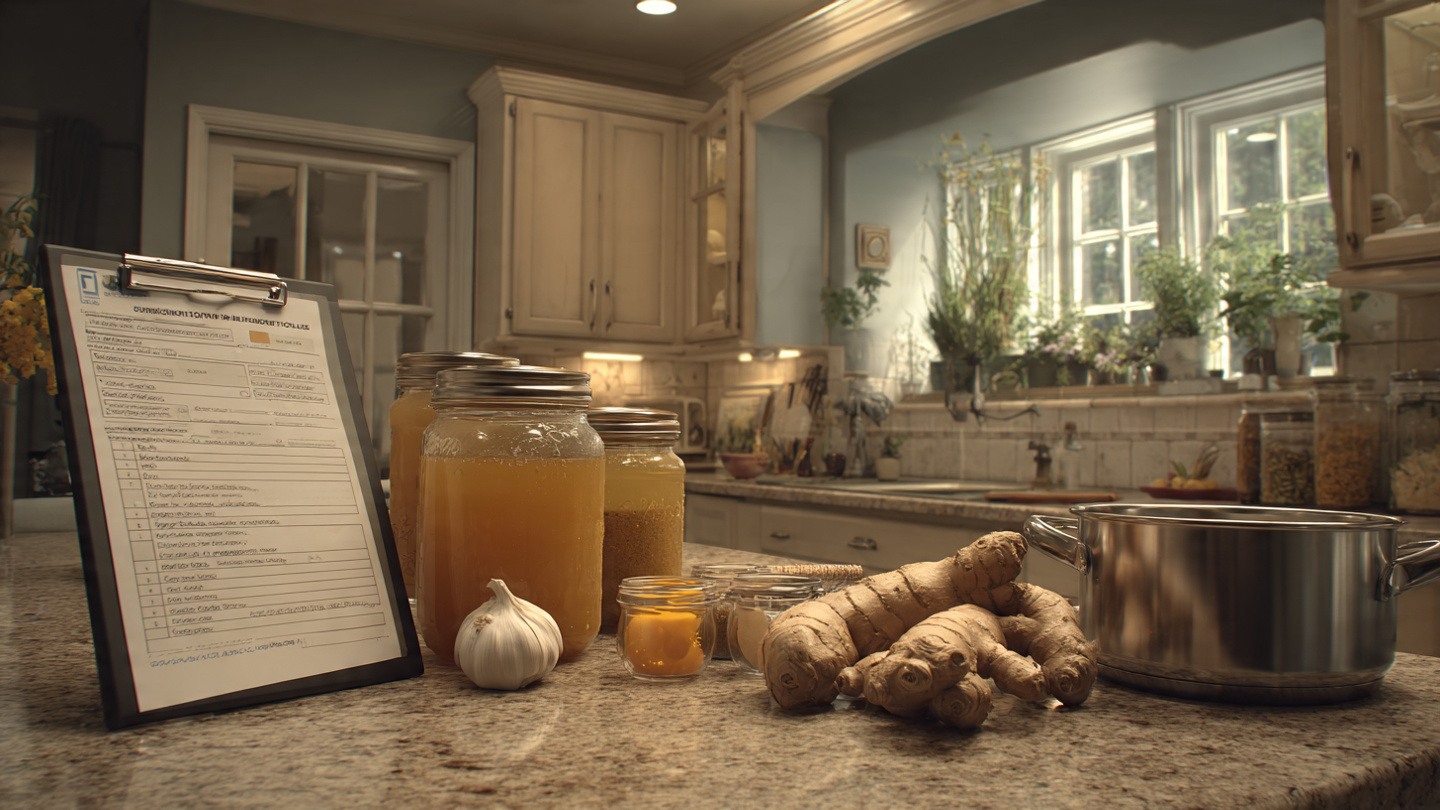
I. The Statutory Definition
The Federal Food, Drug, and Cosmetic Act (FDCA), codified at 21 U.S.C. § 301 et seq., is the primary federal statute governing the regulation of drugs in the United States. Section 201(g)(1), codified at 21 U.S.C. § 321(g)(1), defines the term “drug” as:
“(A) articles recognized in the official United States Pharmacopoeia, official Homoeopathic Pharmacopoeia of the United States, or official National Formulary, or any supplement to any of them; and (B) articles intended for use in the diagnosis, cure, mitigation, treatment, or prevention of disease in man or other animals; and (C) articles (other than food) intended to affect the structure or any function of the body of man or other animals.”1
The operative word is “intended.” The FDA has consistently held that intent is determined not by the subjective belief of the manufacturer but by the objective circumstances surrounding the article’s distribution, including labeling, promotional materials, and common knowledge of the article’s use.2 If a substance is widely understood and commonly used to treat disease, its therapeutic intent is established as a matter of regulatory fact, regardless of whether anyone has filed a New Drug Application.
This definition contains no exemption for articles manufactured at home. It contains no exemption for articles distributed without charge. It contains no minimum production volume. The statute applies to “any article” meeting the definitional criteria. The question, then, is whether any articles commonly produced in American kitchens satisfy 21 U.S.C. § 321(g)(1)(B). The peer-reviewed literature is unambiguous.
II. The Kitchen Pharmacopeia
Exhibit A: Chicken Soup
In October 2000, Dr. Stephen Rennard and colleagues at the University of Nebraska Medical Center published a study in the journal Chest, the official publication of the American College of Chest Physicians, demonstrating that chicken soup inhibits neutrophil chemotaxis in vitro. Neutrophil migration to sites of infection is a primary mechanism of the inflammatory response associated with upper respiratory infection symptoms. The study concluded that chicken soup “may contain a number of substances with beneficial medicinal activity,” including anti-inflammatory properties measurable under laboratory conditions.3
This is not folk wisdom operating under a veneer of nostalgia. This is a controlled experiment published in a peer-reviewed journal indexed in PubMed, demonstrating a measurable pharmacological effect of a substance routinely manufactured in residential kitchens. Under 21 U.S.C. § 321(g)(1)(B), an article with demonstrated anti-inflammatory properties that is commonly administered to persons suffering from upper respiratory infections is a drug. Chicken soup satisfies every element of the statutory definition.
Exhibit B: Honey
A 2010 study published in the Journal of Alternative and Complementary Medicine compared the efficacy of honey against dextromethorphan (DM), the active ingredient in most over-the-counter cough suppressants, in a randomized clinical trial of 139 children with upper respiratory infections. The study found that honey was “as effective as” dextromethorphan in reducing cough frequency and severity, and “superior” to no treatment.4 A 2018 Cochrane systematic review of six randomized controlled trials involving 899 children confirmed these findings, concluding that honey “probably reduces cough symptoms to a greater extent than no treatment, diphenhydramine, and placebo.”5
Dextromethorphan is an FDA-approved drug sold under the brand name Robitussin, among others. It is regulated, labeled, and sold in compliance with the FDCA. Honey, which clinical trials show performs equivalently, is sold in a jar with a picture of a bear on it. It is subject to no pre-market approval, no labeling requirements under drug law, and no adverse event reporting obligations. It is manufactured by bees, packaged by agricultural operations, and administered to sick children by their parents, all without FDA oversight.
Under the statute, the regulatory distinction between honey and dextromethorphan is not defensible. Both are articles intended for the mitigation of disease symptoms. Both demonstrate clinical efficacy. One is regulated as a drug. The other is regulated as a condiment.
Exhibit C: Ginger
A 2000 randomized, double-blind, placebo-controlled trial published in Obstetrics & Gynecology found that 1 gram of ginger daily for four days significantly reduced nausea and vomiting in pregnant women compared to placebo.6 A 2022 systematic review in Nutrients, examining twelve randomized clinical trials, confirmed that ginger intake “significantly reduced” chemotherapy-induced nausea and vomiting across multiple cancer treatment regimens.7
Ondansetron (Zofran), the leading FDA-approved anti-nausea medication, carries a wholesale acquisition cost of approximately $300 per course of treatment. Ginger costs approximately $4.99 per pound at retail. Both treat the same condition. Both have demonstrated efficacy in randomized controlled trials. One required a New Drug Application, Phase I through Phase III clinical trials, and ongoing post-market surveillance. The other required a trip to the produce aisle.
Exhibit D: Garlic
Allicin, the primary bioactive compound in freshly crushed garlic, has been demonstrated to possess broad-spectrum antimicrobial activity. A 2005 study published in Phytotherapy Research found that allicin inhibited the growth of both methicillin-resistant Staphylococcus aureus (MRSA) and vancomycin-resistant enterococci (VRE), two of the most clinically significant antibiotic-resistant pathogens.8 A subsequent study in the International Journal of Antimicrobial Agents confirmed that allicin inhibits DNA gyrase activity in bacteria, a mechanism shared by the fluoroquinolone class of FDA-approved antibiotics.9
An article that shares a mechanism of action with a class of prescription antibiotics and demonstrates in vitro efficacy against drug-resistant pathogens is, under any reading of 21 U.S.C. § 321(g)(1)(C), an article intended to affect the structure or function of the body. Garlic is a drug. It is manufactured by being crushed on a cutting board. The cutting board is unregistered.
Exhibit E: Turmeric
A 2023 GRADE-assessed systematic review and dose-response meta-analysis of 32 randomized controlled trials, published in Cytokine, concluded that curcumin supplementation (the bioactive compound in turmeric) produced “significant reductions” in C-reactive protein, interleukin-6, tumor necrosis factor-α, and malondialdehyde, all established biomarkers of systemic inflammation.10 A 2022 meta-analysis in Frontiers in Pharmacology encompassing 22 trials further confirmed curcumin’s anti-inflammatory and antioxidant effects in adults.11
Ibuprofen (Advil) is an FDA-regulated nonsteroidal anti-inflammatory drug that reduces C-reactive protein levels. Turmeric is a spice that also reduces C-reactive protein levels. One went through the FDA approval process. The other is available in the baking aisle for $6.99 per jar. The pharmacological distinction is a matter of packaging.
III. The Manufacturing Problem
Under 21 U.S.C. § 360, every person who “owns or operates any establishment” engaged in the manufacture, preparation, propagation, compounding, or processing of a drug must register that establishment with the FDA annually.12 The registration requirement applies to all drug manufacturing establishments, domestic and foreign. As of 2024, the FDA’s Drug Establishment Registration Database lists approximately 37,000 registered domestic establishments.13
The U.S. Census Bureau’s Current Population Survey reports approximately 131.2 million households in the United States as of 2024.14 A 2022 survey by the International Food Information Council found that 73 percent of American adults prepare meals at home at least five times per week.15 The USDA Economic Research Service reports that 98 percent of American households purchased food for at-home preparation in the prior month.16
If the articles prepared in these kitchens include any of the substances identified in Section II, and the peer-reviewed evidence is unequivocal that they do, then each kitchen in which those substances are prepared for therapeutic purposes constitutes a drug manufacturing establishment under 21 U.S.C. § 360. The number of unregistered drug manufacturing establishments in the United States is not 37,000. It is approximately 131 million. The FDA’s own registry captures approximately 0.03 percent of the drug manufacturing capacity operating within national borders.
IV. The Good Manufacturing Practice Violations
Title 21 of the Code of Federal Regulations, Part 211, establishes Current Good Manufacturing Practice (cGMP) requirements for the manufacture, processing, packing, and holding of drug products. These regulations are not aspirational. They are legally binding, and violations constitute the manufacture of “adulterated” drugs under 21 U.S.C. § 501(a)(2)(B).17
The cGMP requirements are specific. Section 211.42 mandates that drug manufacturing facilities must have “adequate space for orderly placement of equipment and materials to prevent mixups between different components, drug product containers, closures, labeling, in-process materials, or drug products.”18 The average American kitchen is 150 square feet.19 The average American kitchen also stores cleaning chemicals under the sink, pet food on the floor, and children’s art projects on the refrigerator. No partition separates the drug manufacturing area from the household hazardous materials storage zone. The mixup potential is not theoretical. It is architectural.
Section 211.56 requires that manufacturing areas be maintained in a “clean and sanitary condition” and be “free of infestation by rodents, birds, insects, and other vermin.”20 The National Pest Management Association reports that 29 percent of American households experienced a rodent problem in the prior year, and 14 million housing units reported cockroach sightings within the past twelve months, according to the American Housing Survey.21 These facilities would fail a cGMP inspection on the pest control requirement alone.
Section 211.68 requires that “automatic, mechanical, and electronic equipment” used in drug manufacturing be “routinely calibrated, inspected, or checked according to a written program designed to assure proper performance.”22 The typical kitchen stove has not been calibrated since installation. Oven thermometers available at retail consistently reveal that residential ovens deviate from their set temperature by 25 to 50 degrees Fahrenheit.23 The drug manufacturing equipment in 131 million American facilities is out of specification and has been for the life of the equipment.
Section 211.160 requires that drug manufacturers establish “scientifically sound and appropriate specifications, standards, sampling plans, and test procedures designed to assure that components, drug product containers, closures, in-process materials, labeling, and drug products conform to appropriate standards of identity, strength, quality, and purity.”24 No American household has ever conducted an assay on a batch of chicken soup. Batch-to-batch variation is not merely tolerated; it is celebrated. “Grandma’s recipe” is a quality control euphemism for an undocumented manufacturing process with no standard operating procedure, no batch records, and significant operator-to-operator variability.
V. The Labeling Crisis
Under 21 U.S.C. § 352, a drug is deemed “misbranded” unless its labeling bears, among other requirements: (1) the name and place of business of the manufacturer, packer, or distributor; (2) adequate directions for use; (3) adequate warnings against use in pathological conditions where the drug’s use may be dangerous to health; and (4) the established name of the drug, if any.25
The typical container for home-manufactured chicken soup is a Tupperware vessel. It bears no manufacturer name. It carries no dosing instructions. It contains no warning label. It does not list active ingredients, inactive ingredients, or excipients. The batch number, if ascertainable at all, corresponds to a handwritten Post-it note reading “soup, Tues.” affixed to the lid.
The introduction of a misbranded drug into interstate commerce is a prohibited act under 21 U.S.C. § 331(a). The transport of home-manufactured soup to an office, a school, a potluck, or a neighbor’s home across a state line constitutes introduction into interstate commerce. A 2019 Bureau of Transportation Statistics report found that approximately 3.3 million Americans commute across state lines daily.26 Each cross-border delivery of therapeutic chicken soup by an interstate commuter is a federal misbranding violation.
VI. The Adverse Event Reporting Gap
Under 21 CFR Part 310.305, manufacturers of marketed prescription drugs must report adverse drug experiences to the FDA. The FDA Adverse Event Reporting System (FAERS) received approximately 2.3 million adverse event reports in fiscal year 2024.27 These reports are considered essential to the post-market surveillance system that protects public health.
Home-manufactured drugs generate no adverse event reports. Zero. This is not because adverse events do not occur. A 2023 study in the Journal of Allergy and Clinical Immunology estimated that honey causes approximately 6,000 cases of infant botulism risk exposure per year in the United States, as parents administer it to children under one year of age despite CDC guidance against doing so.28 Garlic interactions with warfarin (Coumadin) are well-documented in the clinical literature, with case reports of elevated INR and clinically significant bleeding events.29 Turmeric has been associated with hepatotoxicity at high doses, with multiple case reports published in Hepatology.30
These adverse events go unreported because the manufacturing facilities that produced the drugs in question do not know they are manufacturing facilities. The post-market surveillance system does not fail because it lacks data. It fails because it does not know where 99.97 percent of the manufacturing sites are.
VII. The Penalty Exposure
Under 21 U.S.C. § 333, the introduction of an adulterated or misbranded drug into interstate commerce is punishable by imprisonment of not more than one year, a fine of not more than $1,000, or both, for a first offense. A second offense, or an offense committed with intent to defraud or mislead, carries penalties of up to three years imprisonment and a $10,000 fine.31
Failure to register a drug manufacturing establishment under 21 U.S.C. § 360 carries civil penalties. The FDA can also seek injunctive relief under 21 U.S.C. § 332, including court orders to cease manufacturing until compliance is achieved.32
Applied to 131 million unregistered facilities, each producing multiple adulterated, misbranded, unregistered drug products on a recurring basis, the cumulative first-offense fine exposure at $1,000 per facility is $131 billion. If each facility produces, conservatively, five distinct drug products per year (soup, tea with honey, ginger preparations, garlic-containing meals administered during illness, and turmeric-containing foods recommended for inflammation), the per-product fine exposure is $655 billion annually.
The criminal exposure is more striking. At one count per facility, the American prison system, which currently holds approximately 1.9 million inmates across federal, state, and local facilities, would need to expand its capacity by a factor of 69 to accommodate the first-offense violators alone.33
VIII. The Agency Capacity Problem
The FDA’s Office of Regulatory Affairs conducted approximately 5,200 domestic drug manufacturing inspections in fiscal year 2023.34 At this rate, inspecting the 131 million unregistered facilities currently in operation would require approximately 25,192 years, assuming no new kitchens are constructed.
The FDA employs approximately 18,000 personnel, of whom roughly 5,000 are investigators and analysts in the Office of Regulatory Affairs.35 If every one of these personnel were reassigned exclusively to kitchen inspections, each would need to inspect 26,200 facilities. At the agency’s current average inspection duration of 3.2 days per facility, each investigator would require approximately 229 years of continuous inspection activity.36
This does not, under the statute, constitute a defense. The FDCA does not condition the registration requirement on the agency’s ability to process registrations. It does not condition the GMP requirements on the agency’s ability to inspect. The law is the law. The kitchens are the kitchens. The gap between the two is approximately 131 million manufacturing sites.
IX. The Grandmother Paradox
Consider the following scenario, which occurs in the United States approximately 40 million times per year during cold and flu season, according to CDC seasonal influenza surveillance data.37
A grandmother prepares chicken soup for a sick grandchild. She adds garlic, ginger, turmeric, and a spoonful of honey. She packs the soup in an unlabeled container, drives it across town, and administers it to a minor with an acute upper respiratory infection, bypassing both the child’s pediatrician and the Walgreens on the corner.
Under the statutory framework described above, this grandmother has: (1) manufactured at least five drug products in an unregistered facility; (2) failed to comply with cGMP requirements; (3) produced adulterated drugs; (4) introduced misbranded drugs into interstate or intrastate commerce; (5) administered unapproved new drugs to a minor without a prescription; and (6) failed to report the therapeutic intervention to the FDA’s adverse event monitoring system.
The grandmother is, under the plain text of the Federal Food, Drug, and Cosmetic Act, a drug kingpin.
She is also, under every available clinical metric, effective. The peer-reviewed evidence supports each ingredient she used. Her multi-drug formulation addresses inflammation (chicken soup, turmeric), cough suppression (honey), nausea (ginger), and antimicrobial defense (garlic). The combination would, if submitted as a New Drug Application, require Phase I through Phase III clinical trials, a multi-year FDA review process, and an estimated $2.6 billion in development costs, per the Tufts Center for the Study of Drug Development.38
She spent about $11.50 on ingredients.
X. Conclusion
The Federal Food, Drug, and Cosmetic Act defines a drug as any article intended for the diagnosis, cure, mitigation, treatment, or prevention of disease. Peer-reviewed clinical research published in Chest, Obstetrics & Gynecology, Nutrients, Cytokine, and the International Journal of Antimicrobial Agents confirms that chicken soup, honey, ginger, garlic, and turmeric satisfy this definition. These substances are manufactured in 131 million American kitchens that have never registered with the FDA, never undergone a cGMP inspection, never submitted a batch record, and never filed an adverse event report.
The statutory obligations are clear. The clinical evidence is peer-reviewed. The manufacturing noncompliance is nationwide. The cumulative penalty exposure exceeds half a trillion dollars, and the prison capacity shortfall is approximately 69-fold.
The FDA cannot inspect 131 million kitchens. It cannot process 131 million registrations. It cannot adjudicate 655 billion dollars in annual fines. The regulatory apparatus was not designed for a pharmaceutical industry this large, this distributed, or this delicious.
Ergo.
Sources
- 21 U.S.C. § 321(g)(1), Definitions; generally. law.cornell.edu ↑
- FDA, “Intended Use” Final Rule, 21 CFR 201.128, 86 Fed. Reg. 41383 (Aug. 2, 2021). federalregister.gov ↑
- Rennard, B.O. et al., “Chicken Soup Inhibits Neutrophil Chemotaxis In Vitro,” Chest, vol. 118, no. 4, pp. 1150–1157, October 2000. pubmed.ncbi.nlm.nih.gov ↑
- Shadkam, M.N. et al., “A Comparison of the Effect of Honey, Dextromethorphan, and Diphenhydramine on Nightly Cough and Sleep Quality in Children and Their Parents,” Journal of Alternative and Complementary Medicine, vol. 16, no. 7, pp. 787–793, July 2010. pubmed.ncbi.nlm.nih.gov ↑
- Oduwole, O. et al., “Honey for Acute Cough in Children,” Cochrane Database of Systematic Reviews, Issue 4, 2018. pubmed.ncbi.nlm.nih.gov ↑
- Vutyavanich, T. et al., “Ginger for Nausea and Vomiting in Pregnancy: Randomized, Double-Masked, Placebo-Controlled Trial,” Obstetrics & Gynecology, vol. 97, no. 4, pp. 577–582, April 2001. pubmed.ncbi.nlm.nih.gov ↑
- Crichton, M. et al., “Effects of Ginger Intake on Chemotherapy-Induced Nausea and Vomiting: A Systematic Review of Randomized Clinical Trials,” Nutrients, vol. 14, no. 23, 5044, November 2022. pmc.ncbi.nlm.nih.gov ↑
- Cutler, R.R. and Wilson, P., “Antibacterial Activity of a New, Stable, Aqueous Extract of Allicin Against Methicillin-Resistant Staphylococcus aureus,” British Journal of Biomedical Science, vol. 61, no. 2, pp. 71–74, 2004. pubmed.ncbi.nlm.nih.gov ↑
- Feldberg, R.S. et al., “In Vitro Mechanism of Inhibition of Bacterial Cell Growth by Allicin,” Antimicrobial Agents and Chemotherapy, vol. 32, no. 12, pp. 1763–1768, 1988. Reiter, J. et al., “Allicin, a Natural Antimicrobial Defence Substance from Garlic, Inhibits DNA Gyrase Activity in Bacteria,” International Journal of Medical Microbiology, vol. 310, no. 1, 151394, 2020. pmc.ncbi.nlm.nih.gov ↑
- Ashtary-Larky, D. et al., “Antioxidant and Anti-Inflammatory Effects of Curcumin/Turmeric Supplementation in Adults: A GRADE-Assessed Systematic Review and Dose-Response Meta-Analysis of Randomized Controlled Trials,” Cytokine, vol. 164, 156144, April 2023. pubmed.ncbi.nlm.nih.gov ↑
- Alghannam, A.F. et al., meta-analysis on curcumin supplementation, Frontiers in Pharmacology, vol. 13, 2022. pmc.ncbi.nlm.nih.gov ↑
- 21 U.S.C. § 360, Registration of producers of drugs or devices. law.cornell.edu ↑
- FDA, Drug Establishment Current Registration Site (DECRS). fda.gov ↑
- U.S. Census Bureau, “Families and Living Arrangements: 2024.” census.gov ↑
- International Food Information Council (IFIC), “2022 Food and Health Survey.” foodinsight.org ↑
- USDA Economic Research Service, “Food Access Research Atlas” and “Household Food Security in the United States.” ers.usda.gov ↑
- 21 U.S.C. § 501(a)(2)(B), Adulterated drugs and devices. law.cornell.edu ↑
- 21 CFR § 211.42, Design and construction features. law.cornell.edu ↑
- National Kitchen and Bath Association (NKBA), “Kitchen Planning Guidelines with Access Standards,” 2024. nkba.org ↑
- 21 CFR § 211.56, Sanitation. law.cornell.edu ↑
- National Pest Management Association, “Pest Pressures in the American Home”; U.S. Census Bureau, American Housing Survey, 2023. census.gov ↑
- 21 CFR § 211.68, Automatic, mechanical, and electronic equipment. law.cornell.edu ↑
- Consumer Reports, “How Accurate Is Your Oven’s Temperature?” consumerreports.org ↑
- 21 CFR § 211.160, General requirements for laboratory controls. law.cornell.edu ↑
- 21 U.S.C. § 352, Misbranded drugs and devices. law.cornell.edu ↑
- U.S. Census Bureau, American Community Survey, “Commuting Characteristics,” Table B08016. data.census.gov ↑
- FDA, “FDA Adverse Event Reporting System (FAERS) Public Dashboard.” fda.gov ↑
- CDC, “Botulism: Prevention,” recommending against honey for infants under 12 months due to risk of infant botulism. cdc.gov ↑
- Izzo, A.A. et al., “Interactions Between Herbal Medicines and Prescribed Drugs: An Updated Systematic Review,” Drugs, vol. 69, no. 13, pp. 1777–1798, 2009. pubmed.ncbi.nlm.nih.gov ↑
- Luber, R.P. et al., “Turmeric Induced Liver Injury: A Report of Two Cases,” Case Reports in Hepatology, 2019. pubmed.ncbi.nlm.nih.gov ↑
- 21 U.S.C. § 333, Penalties. law.cornell.edu ↑
- 21 U.S.C. § 332, Injunction proceedings. law.cornell.edu ↑
- Bureau of Justice Statistics, “Prisoners in 2023,” NCJ 308488. bjs.ojp.gov ↑
- FDA, “Inspections Dashboard”; Office of Regulatory Affairs Annual Report, FY2023. datadashboard.fda.gov ↑
- FDA, “About the Office of Regulatory Affairs (ORA).” fda.gov ↑
- Government Accountability Office, “Drug Safety: FDA Has Improved Its Foreign Drug Inspection Program, but Needs to Assess the Effectiveness of Its Risk-Based Approach,” GAO-23-105527, 2023. gao.gov ↑
- CDC, “Estimated Influenza Illnesses, Medical Visits, and Hospitalizations in the United States,” 2023–2024 Season. cdc.gov ↑
- DiMasi, J.A. et al., “Innovation in the Pharmaceutical Industry: New Estimates of R&D Costs,” Journal of Health Economics, vol. 47, pp. 20–33, 2016. Tufts Center for the Study of Drug Development. doi.org ↑