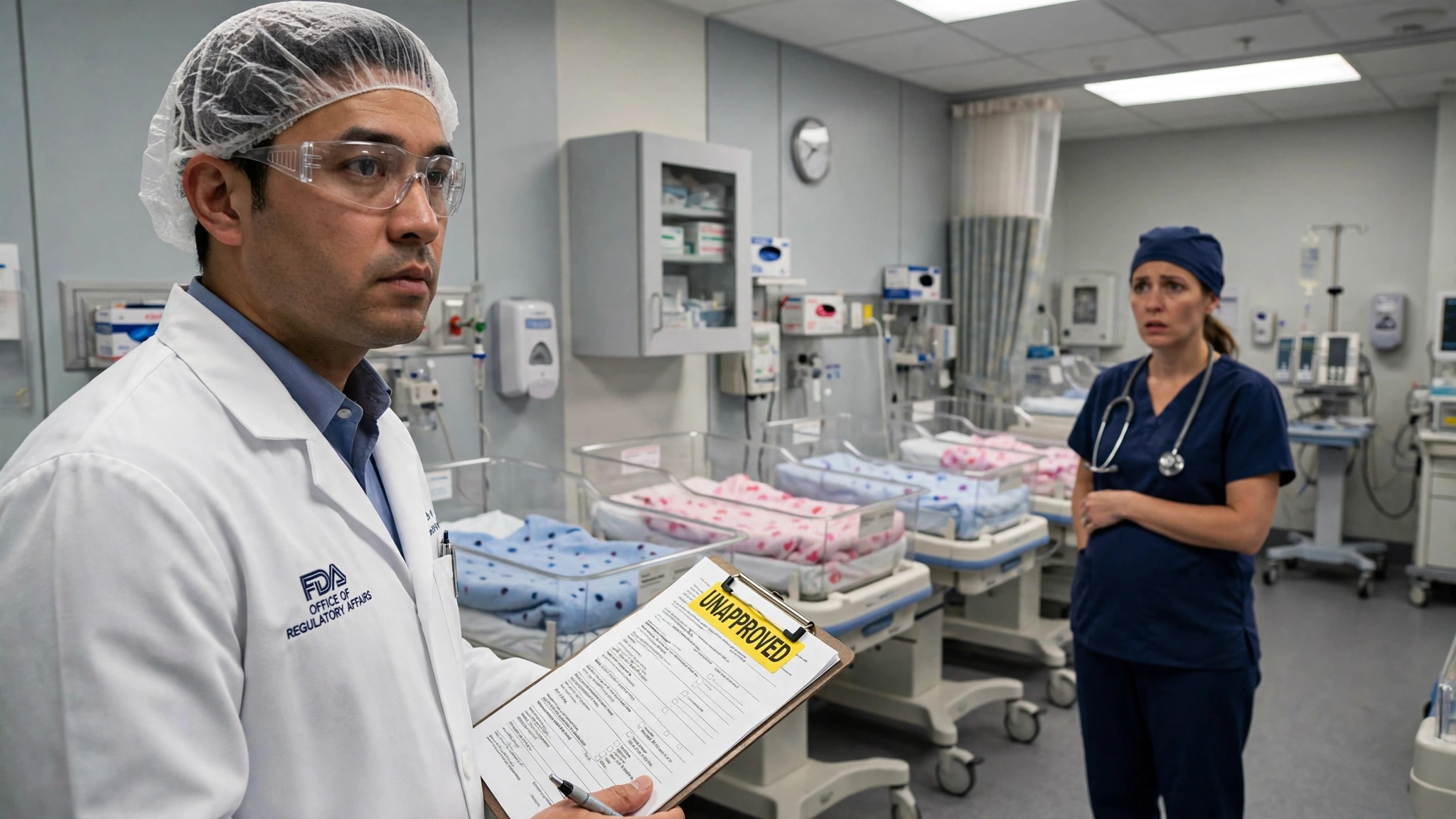
I. The Statutory Definition
The Federal Food, Drug, and Cosmetic Act of 1938, as amended, is the foundational statute under which the Food and Drug Administration regulates drugs in the United States. Section 201(g)(1), codified at 21 U.S.C. § 321(g)(1), provides the definition that governs all subsequent regulatory action.1
The definition reads, in relevant part: “The term ‘drug’ means (A) articles recognized in the official United States Pharmacopoeia, official Homoeopathic Pharmacopoeia of the United States, or official National Formulary, or any supplement to any of them; and (B) articles intended for use in the diagnosis, cure, mitigation, treatment, or prevention of disease in man or other animals; and (C) articles (other than food) intended to affect the structure or any function of the body of man or other animals.”
This is an intent-based test. Congress chose “intended for use in” as the operative language. The drug classification does not depend on whether the article is synthetic or natural, manufactured or secreted, sold or given freely. It depends on whether the article is intended for use in the prevention or treatment of disease. The FDA has enforced this principle rigorously. It has sent warning letters to cherry juice manufacturers for claiming their product reduces gout symptoms. It has classified dietary supplements as unapproved drugs when they were marketed with disease-prevention claims. It has required New Drug Applications for products whose active ingredients occur naturally in the human body, including melatonin analogues, synthetic thyroid hormones, and recombinant human insulin.2
The question of intent is settled by the recommending authorities themselves. The American Academy of Pediatrics does not recommend breastfeeding for flavor. The World Health Organization does not recommend it for texture. They recommend it, in explicit and published language, for the prevention of disease. The intended use is the statutory trigger. The statutory trigger has been pulled by every major health authority on Earth.
II. The Active Pharmaceutical Ingredients
If a pharmaceutical company submitted a New Drug Application for a product containing the following ingredients, the FDA’s Center for Drug Evaluation and Research would require a review period of approximately ten months and a filing fee of $4,098,484.
Human breast milk contains secretory immunoglobulin A (sIgA) at concentrations of approximately 5 mg/mL in colostrum and 1 mg/mL in mature milk, constituting approximately 90 percent of all immunoglobulins present.3 SIgA is a targeted immunological agent that binds to specific pathogens and prevents their adhesion to mucosal epithelial surfaces. It provides passive immunity against bacterial and viral pathogens including enterotoxigenic Escherichia coli, Salmonella typhimurium, rotavirus, and respiratory syncytial virus. The FDA has approved monoclonal antibody drugs—palivizumab (Synagis), for example—that perform a narrower version of the same function against a single pathogen, RSV, at a cost of approximately $1,800 per dose. Breast milk performs it against dozens of pathogens simultaneously, at no charge, and without an approved indication.
Lactoferrin is present at approximately 7 g/L in colostrum and 1 to 3 g/L in mature milk.4 It is an iron-binding glycoprotein with documented bacteriostatic, bactericidal, antiviral, antifungal, and immunomodulatory activity. It sequesters iron from pathogenic bacteria, denying them an essential nutrient. It generates the antimicrobial peptide lactoferricin upon digestion. It blocks inflammatory cytokines including IL-1β, IL-6, TNF-α, and IL-8 while simultaneously stimulating the development of the infant immune system. If a pharmaceutical manufacturer submitted this pharmacological profile for a single compound, the IND application would run to several thousand pages. Breast milk delivers it as one ingredient among hundreds.
Lysozyme is present at approximately 0.1 to 0.3 mg/mL. It is an enzyme that hydrolyzes β-1,4 glycosidic bonds in the peptidoglycan layer of gram-positive bacterial cell walls and acts synergistically with lactoferrin to kill gram-negative bacteria by disrupting the outer membrane and exposing the internal proteoglycan matrix.5 Lysozyme also possesses documented antiviral activity. Alexander Fleming discovered lysozyme in 1922, six years before he discovered penicillin. The antibiotic changed the world. The enzyme that preceded it has been administered to every breastfed infant in human history without a prescription.
Human milk oligosaccharides (HMOs) constitute the third most abundant solid component of breast milk after lactose and lipids, present at 5 to 15 g/L. More than 200 structurally distinct HMOs have been identified.6 They are not digestible by the infant. They are not nutrients. They are, by any pharmacological definition, selectively bioactive compounds designed to modify the function of a biological system—specifically, the infant gut microbiome. They serve as selective prebiotics that feed Bifidobacterium species while starving pathogenic bacteria. They serve as decoy receptors that bind to norovirus, rotavirus, and Campylobacter jejuni, preventing mucosal adhesion. The FDA has approved the prebiotic galactooligosaccharide as a food ingredient only after reviewing its safety data. Breast milk delivers more than 200 variants of a more complex prebiotic without having submitted any.
III. The Living Drug
The pharmacological complexity does not end with the soluble components. Breast milk is a living tissue.
Each milliliter of mature human breast milk contains approximately 10,000 to 13 million cells, depending on the stage of lactation and maternal health status.7 These include macrophages, neutrophils, and lymphocytes—functional immune cells that survive transit through the infant gastrointestinal tract and have been documented to cross the intestinal epithelium into the infant’s circulation. The infant does not merely receive passive immunity. The infant receives an active cellular graft from the mother’s immune system, delivered orally, multiple times per day, for months or years.
In 2012, researchers at the University of Western Australia identified multipotent stem cells in human breast milk that, under appropriate conditions, differentiated into all three germ layers—ectoderm, mesoderm, and endoderm—including cells expressing markers for bone, fat, liver, pancreatic, neural, and cardiac lineages.8 The FDA regulates stem cell therapies under 21 CFR Part 1271 and the Public Health Service Act § 351. Clinics offering autologous stem cell injections have received warning letters, injunctions, and permanent injunctions from the FDA for marketing unapproved biological products. Breast milk delivers stem cells to 3 million recipients annually. The FDA has not sent a letter.
The substance also contains at least 14 distinct cytokines—cell-signaling molecules that modulate the infant’s inflammatory and immune responses. These include transforming growth factor-β (TGF-β), interleukin-10, and epidermal growth factor. TGF-β alone has been the subject of more than 100,000 peer-reviewed publications. The FDA classifies recombinant cytokines as biological products requiring Biologics License Applications under 42 U.S.C. § 262. A biologic is defined as “any virus, therapeutic serum, toxin, antitoxin, vaccine, blood, blood component or derivative, allergenic product, protein, or analogous product.” Breast milk contains proteins, blood components (leukocytes), and analogous products. It meets the definition.9
IV. The Clinical Evidence
The FDA requires substantial evidence of effectiveness before approving a new drug. Under 21 U.S.C. § 355(d), this means “adequate and well-controlled investigations, including clinical investigations,” demonstrating that the drug will have the effect it is represented to have.10
The clinical evidence for breast milk exceeds, by several orders of magnitude, the evidence base for most approved drugs.
The American Academy of Pediatrics’ 2022 policy statement, based on a comprehensive systematic review, identifies the following disease-prevention effects supported by the peer-reviewed literature: a 58 percent reduction in the risk of necrotizing enterocolitis in preterm infants; a 36 percent reduction in the risk of sudden infant death syndrome; reductions in the incidence of otitis media, lower respiratory tract infections, and gastroenteritis; and reduced long-term risk of type 1 diabetes, type 2 diabetes, childhood leukemia, and obesity.11
A 2016 Lancet Breastfeeding Series meta-analysis estimated that scaling up breastfeeding to near-universal levels could prevent 823,000 child deaths and 20,000 breast cancer deaths annually worldwide.12 No drug in the history of the FDA’s approval process has demonstrated the capacity to prevent 823,000 deaths per year. The agency has approved drugs on the strength of a single Phase III trial enrolling 300 patients. Breast milk’s evidence base includes thousands of studies enrolling millions of participants across every continent and every decade since the invention of clinical epidemiology. None of this evidence has been submitted in an NDA. None has been reviewed by the Center for Drug Evaluation and Research. None appears in any drug label.
V. The Adaptive Formulation
The manufacturing process presents a regulatory problem for which the FDA has no precedent.
Breast milk composition is not fixed. It changes in response to the infant’s condition. When an infant is ill, the concentration of leukocytes and immunoglobulins in the mother’s milk increases, a phenomenon documented in multiple peer-reviewed studies and believed to be mediated by retrograde saliva transfer during nursing, which signals the maternal immune system to upregulate production of targeted antibodies.13
This is a drug that reformulates itself in response to the patient’s diagnosis.
The FDA’s Current Good Manufacturing Practice regulations at 21 CFR Parts 210 and 211 require that drug products be manufactured to consistent, validated specifications. Each batch must conform to its approved formulation. Deviations require investigation, documentation, and corrective action. A drug whose active pharmaceutical ingredient concentrations change spontaneously based on the health status of the recipient would fail batch release testing by definition. Every feeding would be a different formulation. Every formulation would be unapproved. The manufacturer—the mother—has no standard operating procedures, no batch records, no in-process controls, no quality assurance unit, and no complaint handling system. She has mammary glands. They have been performing adaptive pharmaceutical manufacturing for approximately 200 million years, since the first mammals diverged from therapsid synapsids in the Late Triassic.14
The composition also changes within a single feeding. Foremilk, produced at the beginning of a nursing session, is lower in fat and higher in volume. Hindmilk, produced as the breast empties, is substantially richer in lipids. The caloric density shifts during administration. In pharmaceutical terms, this is a modified-release dosage form with a variable pharmacokinetic profile that changes with each administration event. No two doses are the same. This would be disqualifying for any Abbreviated New Drug Application, which requires bioequivalence to a reference listed drug. There is no reference listed drug. There is no reference.
VI. The Unlicensed Manufacturers
Under 21 U.S.C. § 360, every establishment that manufactures, prepares, propagates, compounds, or processes a drug must register annually with the FDA and be subject to inspection.15 Under 21 CFR § 207.17, registration requires the submission of the establishment’s name, address, and a listing of every drug manufactured at the facility.
According to the Centers for Disease Control and Prevention’s National Immunization Survey, approximately 83.2 percent of infants born in the United States are breastfed at some point.16 With approximately 3.6 million births per year, this represents approximately 3 million lactating women annually who are manufacturing and administering a biologically active, disease-preventing substance to a pediatric population without FDA facility registration, without current Good Manufacturing Practice compliance, without batch testing, and without a single establishment inspection in the history of the program.
The FDA inspects approximately 2,500 domestic drug manufacturing establishments per year. It has inspected zero lactating women. This is not because the statute exempts them. Section 201(g)(1) does not contain an exemption for biologically produced drugs. It does not contain an exemption for drugs that are manufactured by the person who administers them. It does not contain an exemption for drugs whose manufacturing facility is a human body. It does not contain the word “breast.” It does not contain the word “milk.”
VII. The Regulatory Exemption
The FDA has, in one regulatory context, addressed human milk directly. Under 21 CFR § 1271.3(d), the agency defines “human cells, tissues, or cellular or tissue-based products (HCT/Ps)” and lists the articles that are not considered HCT/Ps. Subsection (d)(3) provides the exclusion: “Secreted or extracted human products, such as milk, collagen, and cell factors.”17
You do not write an exemption for something that does not fall within the definition.
The exemption confirms that human milk would otherwise qualify as an HCT/P—an article containing human cells and tissues intended for transfer into a human recipient. It contains human cells. It is transferred into a human recipient. The FDA understood this and wrote it out. What the FDA did not do is write human milk out of the drug definition at 21 U.S.C. § 321(g)(1). The tissue-product exemption addressed the tissue question. The drug question was never addressed. It remains unaddressed.
Meanwhile, the FDA’s own webpage on donor human milk states that the agency “regulates donor human milk under FDA’s regulatory authority for foods” and inspects donor milk banks under 21 CFR Part 117—the Current Good Manufacturing Practice, Hazard Analysis, and Risk-Based Preventive Controls for Human Food rule.18 The FDA chose to regulate the most pharmacologically complex substance administered to the most vulnerable patient population in the United States under the regulatory framework designed for breakfast cereal.
VIII. The Enforcement Asymmetry
The asymmetry between the FDA’s treatment of breast milk and its treatment of every other substance with a comparable pharmacological profile is total.
Palivizumab (Synagis) is a monoclonal antibody that binds to the F protein of respiratory syncytial virus to prevent RSV infection in high-risk infants. It received FDA approval in 1998 after completing Phase I, II, and III clinical trials enrolling thousands of patients. It is administered as an intramuscular injection once monthly during RSV season at a cost of approximately $1,800 per dose. It targets one pathogen.19 Breast milk contains secretory IgA antibodies targeting RSV and dozens of other pathogens. It is administered orally, on demand, at no cost. It has not been submitted for approval. The approved drug targets one virus with one mechanism. The unapproved drug targets dozens of pathogens with multiple mechanisms simultaneously. The approved drug passed through ten years of clinical development. The unapproved drug has 200 million years of clinical data and has not filed an IND.
The FDA has sent warning letters to stem cell clinics for marketing autologous stem cell treatments as unapproved biological products. In United States v. US Stem Cell Clinic, LLC (S.D. Fla. 2019), the court issued a permanent injunction against a clinic that processed a patient’s own fat-derived stem cells and reinjected them, holding that the processing rendered them a biological product requiring a Biologics License Application.20 Breast milk contains stem cells. The stem cells are transferred from the mother to the infant. The transfer does not require a Biologics License Application. The distinction, as articulated by the FDA’s enforcement record, is that processing your own cells and injecting them into yourself is an unapproved biological product, but producing cells in your own body and feeding them to an infant is food.
The FDA has classified synthetic melatonin as a dietary supplement when sold without disease claims and has taken enforcement action against manufacturers who marketed it for the treatment of insomnia. Breast milk contains melatonin. Its concentration follows a diurnal pattern, with higher levels in evening and nighttime milk, which researchers have proposed serves to entrain the infant’s circadian rhythm and promote sleep.21 Evening breast milk is, by this evidence, a time-released chronobiotic pharmaceutical manufactured on a circadian schedule by an unlicensed facility and administered to a pediatric patient population for sleep regulation without a prescription, without a drug label, and without a black box warning.
IX. The Adverse Event Reporting Gap
Under 21 CFR Part 314.80, the holder of an approved New Drug Application must report adverse drug experiences to the FDA. Serious adverse events must be reported within 15 calendar days. The MedWatch system, established in 1993, receives approximately 2 million adverse event reports annually.22
Breast milk is not without adverse effects. The transfer of maternal medications, alcohol, caffeine, and environmental contaminants through breast milk is extensively documented. The AAP maintains a database—LactMed—specifically cataloging the effects of maternal drug and chemical exposures on breastfed infants.23 Allergic reactions to maternal dietary proteins transmitted through breast milk have been reported in 0.5 to 1 percent of exclusively breastfed infants. In rare cases, untreated maternal infections including HIV and HTLV-1 can be transmitted through breastfeeding.
None of these adverse events has ever been reported to MedWatch. None has ever appeared in a drug safety communication. None has ever triggered an FDA safety review or a Risk Evaluation and Mitigation Strategy. The substance with the largest patient population of any pharmaceutical product administered in the United States—approximately 3 million new recipients per year—has generated zero entries in the FDA Adverse Event Reporting System in the three decades since the system was created.
X. The Labeling Violation
Under 21 U.S.C. § 352, a drug is deemed misbranded if its labeling does not bear adequate directions for use, adequate warnings, and a statement of the name and place of business of the manufacturer.24 Under 21 CFR § 201.100, adequate directions for use include the dosage, the method of administration, the frequency and duration of administration, and all conditions for which the drug is intended.
Breast milk bears no label. It has no package insert. It has no Prescribing Information, no Highlights section, no Boxed Warning, no Indications and Usage section, no Dosage and Administration section, and no How Supplied section. The dosage is determined by the infant. The frequency is determined by the infant. The duration is determined, in theory, by the recommendations of the AAP (six months exclusively, one year minimum with complementary foods, two years per the WHO), but in practice by the mother and the infant. There is no NDC number. There is no barcode. There is no lot number.
The FDA requires drug labels to list inactive ingredients. Breast milk contains approximately 200 sugars, 400 proteins, and 700 bacterial species, not one of which has been classified as active or inactive by the agency. The total number of distinct molecular components exceeds 2,500. The most comprehensive pharmaceutical label in the FDA’s database—the package insert for a combination antiretroviral therapy—lists fewer than 30 inactive ingredients.25
XI. Conclusion
The evidence admits no ambiguity. Under 21 U.S.C. § 321(g)(1), a “drug” is any article “intended for use in the diagnosis, cure, mitigation, treatment, or prevention of disease.” Breast milk is recommended by every relevant federal agency, every relevant professional medical organization, and the World Health Organization for the prevention of disease. The recommending authorities use the word “prevention.” The statute uses the word “prevention.” The match is exact.
The substance contains immunoglobulins, antimicrobial glycoproteins, antimicrobial enzymes, more than 200 prebiotic oligosaccharides, at least 14 cytokines, live immune cells, and stem cells. Its pharmacological profile is broader than that of any approved drug in the FDA’s database. Its evidence base is deeper. Its safety record, across 200 million years of continuous administration in the class Mammalia, is longer than the existence of the agency tasked with evaluating it.
The FDA has approved approximately 20,000 prescription drug products. It has sent warning letters to companies selling cherry juice with health claims. It has obtained permanent injunctions against clinics offering stem cell therapies. It has classified caffeine, melatonin, and human growth hormone as drugs requiring regulatory oversight when they are sold for therapeutic purposes. It has never classified the substance that contains all of these compounds and is explicitly recommended for disease prevention by the United States government itself.
Approximately 3.6 million infants are born in the United States each year. Approximately 83 percent of them—roughly 3 million—receive their first dose of an unapproved, unlabeled, uninspected pharmaceutical product within the first hour of life, administered by an unregistered manufacturer operating without cGMP compliance, without batch records, without quality assurance, and without a single establishment inspection in the 88-year history of the Federal Food, Drug, and Cosmetic Act.
The most effective drug ever documented has never applied for approval. The agency responsible for protecting public health has never asked it to.
Ergo.
Sources
- 21 U.S.C. § 321(g)(1), Federal Food, Drug, and Cosmetic Act, Section 201, Definitions. uscode.house.gov ↑
- FDA, “Is It Really ‘FDA Approved’?” and Warning Letters Database; see also FDA regulatory actions against cherry juice manufacturers (2005), dietary supplement manufacturers, and compounding pharmacies for making unapproved drug claims. fda.gov ↑
- Czosnykowska-Łukacka M, et al., “Lactoferrin and SIgA Concentrations in Human Milk,” Nutrients (2023), and Araújo ED, et al., “Immunology of breast milk,” Rev Assoc Med Bras. SIgA constitutes approximately 90% of all immunoglobulins in breast milk at concentrations of 5 mg/mL in colostrum and approximately 1 mg/mL in mature milk. scielo.br ↑
- Araújo ED, et al., “Immunology of breast milk,” Rev Assoc Med Bras. Lactoferrin concentration approximately 7 g/L in colostrum, 1 g/L in mature milk. Bacteriostatic, bactericidal, antiviral, antifungal, and anti-inflammatory properties documented. scielo.br ↑
- Araújo ED, et al., citing Ellison RT and Giehl TJ, “Killing of gram-negative bacteria by lactoferrin and lysozyme,” J Clin Invest 88(4):1080–1091 (1991). Lysozyme hydrolyzes β-1,4 glycosidic bonds in peptidoglycan; synergistic bactericidal activity with lactoferrin against gram-negative bacteria. scielo.br ↑
- Bode L, “Human milk oligosaccharides: every baby needs a sugar mama,” Glycobiology 22(9):1147–1162 (2012). More than 200 structurally distinct HMOs identified; third most abundant solid component after lactose and lipids at 5–15 g/L; not digestible by infant; serve as selective prebiotics and pathogen decoy receptors. pmc.ncbi.nlm.nih.gov ↑
- Hassiotou F, et al., “Maternal and infant infections stimulate a rapid leukocyte response in breastmilk,” Clinical & Translational Immunology 2(4):e3 (2013). Cell counts range from approximately 10,000 to 13 million per mL depending on stage of lactation. pmc.ncbi.nlm.nih.gov ↑
- Hassiotou F, et al., “Breastmilk is a novel source of stem cells with multilineage differentiation potential,” Stem Cells 30(10):2164–2174 (2012). Multipotent stem cells in breast milk differentiated into all three germ layers. pmc.ncbi.nlm.nih.gov ↑
- 42 U.S.C. § 262, Public Health Service Act § 351, Regulation of Biological Products. uscode.house.gov ↑
- 21 U.S.C. § 355(d), New Drug Applications, Substantial Evidence of Effectiveness. uscode.house.gov ↑
- Meek JY, Noble L, Section on Breastfeeding, “Policy Statement: Breastfeeding and the Use of Human Milk,” Pediatrics 150(1):e2022057988 (2022). Identifies reductions in NEC (58%), SIDS (36%), otitis media, lower respiratory infections, gastroenteritis, type 1 and type 2 diabetes, childhood leukemia, and obesity. publications.aap.org ↑
- Victora CG, et al., “Breastfeeding in the 21st century: epidemiology, mechanisms, and lifelong effect,” The Lancet 387(10017):475–490 (2016). Estimated 823,000 child deaths and 20,000 breast cancer deaths preventable annually through scaling up breastfeeding. thelancet.com ↑
- Hassiotou F, et al. (2013), Clinical & Translational Immunology; Riskin A, et al., “Changes in immunomodulatory constituents of human milk in response to active infection in the nursing infant,” Pediatric Research 71(2):220–225 (2012). Retrograde saliva transfer during nursing signals maternal immune response. pmc.ncbi.nlm.nih.gov ↑
- Oftedal OT, “The evolution of milk secretion and its ancient origins,” Animal 6(3):355–368 (2012). Lactation evolved approximately 200 million years ago in the Late Triassic/Early Jurassic. pmc.ncbi.nlm.nih.gov ↑
- 21 U.S.C. § 360, Registration of Producers of Drugs and Devices. uscode.house.gov ↑
- CDC, National Immunization Survey (NIS), Breastfeeding Report Card. Approximately 83.2% of infants born in the United States are ever breastfed. cdc.gov ↑
- 21 CFR § 1271.3(d)(3): “Secreted or extracted human products, such as milk, collagen, and cell factors” are excluded from the HCT/P definition. casemine.com ↑
- FDA, “Use of Donor Human Milk,” last updated April 2026. “FDA regulates donor human milk under FDA’s regulatory authority for foods.” fda.gov ↑
- FDA, Synagis (palivizumab) Prescribing Information; approved June 1998 for prevention of serious lower respiratory tract disease caused by RSV in pediatric patients at high risk. accessdata.fda.gov ↑
- United States v. US Stem Cell Clinic, LLC, No. 18-cv-61047 (S.D. Fla. 2019). Court granted permanent injunction; processing of patient’s adipose-derived stem cells rendered them a biological product under 42 U.S.C. § 262. fda.gov ↑
- Illnerová H, Buresová M, Presl J, “Melatonin rhythm in human milk,” J Clin Endocrinol Metab 77(3):838–841 (1993); and Cohen Engler A, et al., “Breastfeeding may improve nocturnal sleep and reduce infantile colic,” Journal of Paediatrics and Child Health 48(2):128–132 (2012). pubmed.ncbi.nlm.nih.gov ↑
- FDA, MedWatch: The FDA Safety Information and Adverse Event Reporting Program; approximately 2 million reports received annually as of 2024. fda.gov ↑
- National Library of Medicine, LactMed (Drugs and Lactation Database). ncbi.nlm.nih.gov ↑
- 21 U.S.C. § 352, Misbranded Drugs and Devices. uscode.house.gov ↑
- FDA, Drugs@FDA Database. Approximately 20,000 prescription drug products approved as of 2025. accessdata.fda.gov ↑